











 Serving Fort Wayne & Northeast Indiana
Avoiding Common DIY Deck Mistakes
Tuff Deck Builders Fort Wayne Podcast
Season 3 · Episode 3 · 3 min · July 6, 2026
Episode Overview
In this episode of Deck Builders Fort Wayne, we’re breaking down some of the most common mistakes homeowners make when building a deck themselves and why seemingly small shortcuts can create much larger structural and safety problems later.
A DIY deck may look solid from the surface, but the parts underneath are what carry the weight of people, furniture, railings, stairs, and everything else placed on the structure. Problems with ledger attachment, shallow footings, undersized framing, or improperly supported stairs may not become obvious immediately, but they can lead to movement, sagging, instability, and costly repairs over time.
We’ll explain why the connection between the deck and the house is especially important, how properly sized footings and framing help keep the structure stable, and why stairs and railings should never be treated as simple finishing details.
The episode also covers manufacturer requirements for materials such as TimberTech composite decking, including joist spacing, board orientation, and approved fasteners. Whether you are considering building a deck yourself or already have a DIY deck and are questioning how it was constructed, this episode highlights the areas where proper planning and professional standards matter most.
What You’ll Learn in This Episode
Full Episode Transcript
Hello and welcome to Deck Builders Fort Wayne, where we talk all things outdoor living. I’m with Tuff Deck Builders Fort Wayne, and today we’re talking about something we see a lot: common DIY deck mistakes and why they matter.
If you’re handy, it’s tempting to look at a deck and think, “It’s just some posts and boards. I can do that.” And some parts are straightforward. But decks also carry real weight, sit in real weather, and hold your family and guests. When certain details are missed, the problems might not show up right away, but they show up later, when it’s a lot harder to fix.
Let’s start with the connection to the house. One of the biggest DIY mistakes is a ledger board that’s not attached correctly. Maybe it’s screwed into the siding instead of the structure, or the flashing is missing, or the fasteners are too small or too few. That ledger connection carries a huge part of the deck’s load. If it fails, the deck can pull away from the house. It might not happen the first year, but it’s a serious risk.
Next, footings and posts. Deck posts need solid footings below the frost line, sized for the loads they’re carrying. A common shortcut is setting posts on shallow pads or even directly on the ground. That might look fine on day one, but as the ground moves with freeze and thaw, the deck can shift, tilt, or sag. Over time, you see slopes, stuck doors, and gaps where there shouldn’t be gaps.
Another area is framing. Undersized beams, joists that span too far, or posts placed too far apart all lead to bouncy decks and long-term sagging. Some DIY builds copy the spacing from a picture or a plan meant for a smaller deck, then stretch it bigger without changing the structure. It might feel okay at first, but once you add furniture, people, and maybe a hot tub or heavy planters, you’ll feel the difference.
Stairs and railings are also high-risk areas. Stairs need consistent riser heights and proper stringer support. Railings and handrails have to resist real force when someone leans or falls against them. We often see DIY stairs with too few stringers, boards overspanning, or railings fastened only with a couple of screws into weak material. That’s not enough when someone really needs that railing to hold.
Material-specific rules are another place DIY jobs go wrong. Composite decking from brands like TimberTech, for example, has clear instructions for joist spacing, board orientation, and fasteners. If those aren’t followed, boards can move, gaps can change, and the surface may not perform the way it’s designed to. It can also affect warranties.
None of this is meant to scare you away from working on your home. It’s meant to highlight where guessing isn’t good enough. For decks, the structure you don’t see matters as much as the boards you do see.
If you’ve already got a DIY deck you’re not sure about, or you’re thinking about building one and want a professional to check your plan, we can help. At Tuff Deck Builders Fort Wayne, we inspect decks, point out any safety issues, and build new decks that follow current standards and manufacturer guidelines. You can reach our team at (260) 254-7979 or visit tuffdeckbuildersfortwayne.com to talk through your project.
Thanks for listening to Deck Builders Fort Wayne. A deck should feel solid and safe, not like a question mark every time you step outside. We’ll talk again on the next episode.
Related Deck and Outdoor Living Services
Planning a New Deck or Concerned About a DIY Deck?
If you are planning a new deck, considering a DIY project, or already have a deck that does not feel as solid as it should, Tuff Deck Builders Fort Wayne can help evaluate the structure and discuss your options.
More Episodes from the Tuff Deck Builders Podcast
decorative feature That Adds Safety First, Looks Second
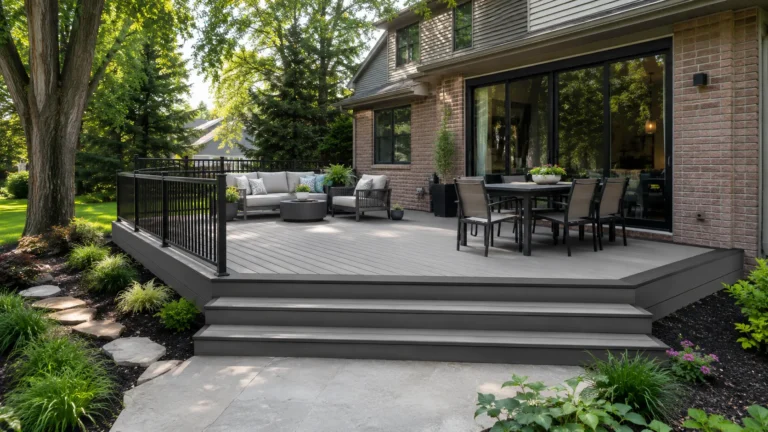
Deck Lighting That Adds Safety First, Looks Second
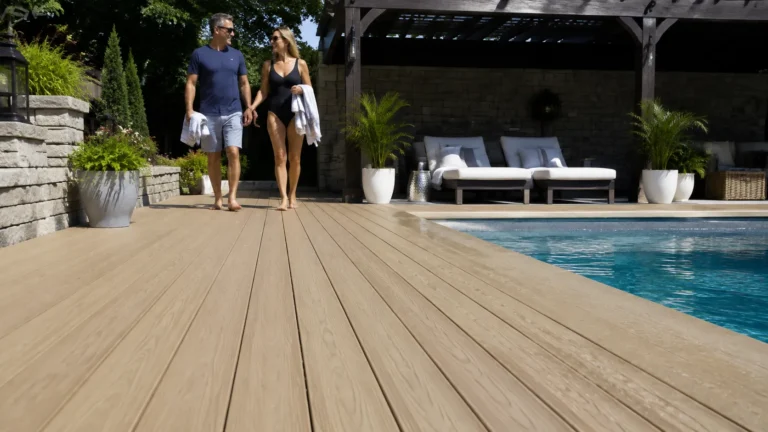
Designing Decks for Fort Wayne Weather | Wind, Sun & Snow
Working with Sloped Yards: Multi-Level Decks That Actually Work
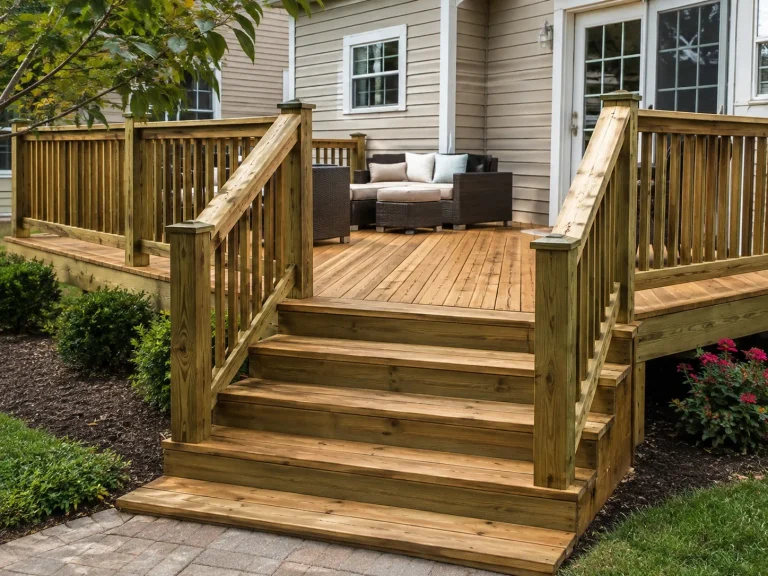
Porch vs. Deck at the Front of Your Home
Under-Deck Space: Storage, Patios, and Keeping It Dry
About the Tuff Deck Builders Fort Wayne Podcast
The Tuff Deck Builders Fort Wayne Podcast shares practical information about deck design, installation, materials, replacement, patios, porches, maintenance, and outdoor living projects for homeowners.